
Top Waterproofing Products for Reliable Moisture Protection
Explore the leading waterproofing solutions designed to safeguard your property from water damage and ensure long-lasting durability.
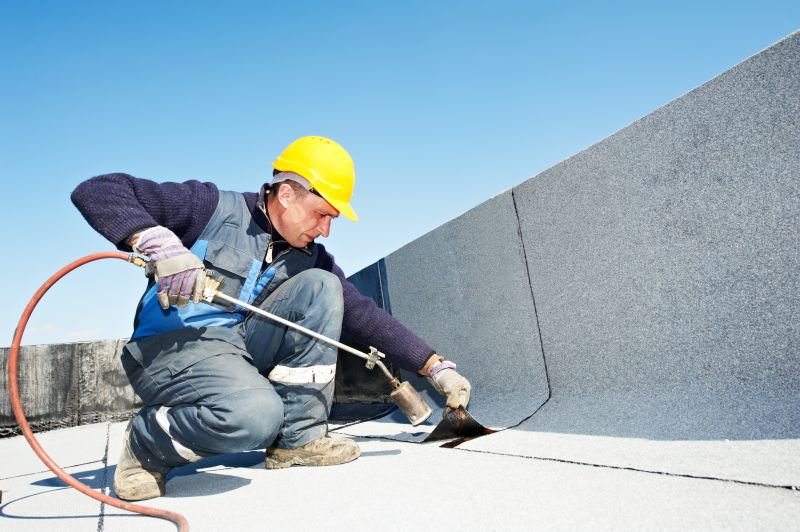 Waterproofing products are essential for protecting structures from water intrusion and damage. Whether addressing basement leaks, roof vulnerabilities, or foundation issues, selecting the appropriate waterproofing solutions is crucial for long-term durability. These products come in various forms, including sealants, membranes, coatings, and paints, each suited for specific applications and surfaces. Proper application and understanding of the product's purpose can help ensure effective water resistance and prevent costly repairs in the future.
Top Overall Option
All-Purpose Waterproofing Sealant
An adaptable and versatile sealant designed for various surfaces such as concrete, masonry, and wood. It provides a flexible, durable barrier against water infiltration, making it suitable for both interior and exterior applications. Easy to apply with a brush, roller, or sprayer, this sealant offers a reliable solution for sealing cracks and joints, helping to maintain structural integrity over time.
Types of Products For Waterproofings
Liquid Rubber Coatings
Flexible, seamless coatings ideal for roofs, basements, and decks that require waterproof protection with high elasticity.
Bituminous Membranes
Self-adhesive or torch-applied membranes commonly used for roofing and foundation waterproofing.
Polyurethane Sealants
High-performance sealants suitable for sealing joints, cracks, and gaps in various building surfaces.
Acrylic Waterproof Paints
Water-resistant paints that provide a protective layer on exterior walls and surfaces.
Cementitious Waterproof Coatings
Ready-mix coatings that bond well with concrete and masonry, often used in basements and tunnels.
Spray-On Waterproofing Membranes
Sprayable coatings that create a waterproof barrier on large surface areas quickly and efficiently.
Sheet Membranes
Pre-formed sheets made of rubber or bitumen for waterproofing foundations and roofs.
Hydrophobic Sealants
Silicone-based or other hydrophobic products that repel water on porous surfaces.
Waterproofing Tapes
Adhesive tapes used for quick sealing of cracks and joints in various surfaces.
Waterproofing Admixtures
Additives mixed into concrete or mortar to reduce water permeability during construction.
Flexible Waterproofing Membranes
Thin, pliable sheets that conform to surface movements, ideal for dynamic joints.
Crack Repair Sealants
Specialized products designed to fill and seal cracks in walls, floors, and foundations.
Waterproofing Fabrics and Mats
Heavy-duty fabrics used as a base for applying liquid membranes or as a standalone barrier.
Concrete Sealers
Penetrating or surface sealers that protect concrete from water ingress and staining.
Popular Choices
Widely used for exterior walls and surfaces requiring a water-resistant coating.
Sprayable solutions that create a water-repellent surface on various materials.
Commonly applied for flat roofs to provide a durable waterproof layer.
Popular for their seamless application on roofs, balconies, and terraces.
Flexible sealants often used around windows, doors, and joints for waterproofing.
Favored for basement walls and underground structures due to their bonding strength.
Apply easily and provide a flexible, waterproof surface for various structures.
Pre-formed sheets that offer a reliable barrier against water penetration.
Expanding foam products that seal gaps and cracks effectively.
Quick and convenient for patching leaks and sealing joints.
Designed to penetrate and seal porous foundation surfaces against water ingress.
Durable, waterproof coatings suitable for outdoor decks and patios.
Mixed into concrete during construction to enhance water resistance.
Provide an easy application method for creating a water-resistant surface.
In residential settings, waterproofing often involves sealing basement walls, applying protective coatings to roofs, or treating foundation exteriors. Commercial buildings may require more robust solutions such as liquid membranes or waterproof barriers designed to withstand heavier exposure. The choice of product depends on factors like the type of surface, level of water exposure, and environmental conditions. It is always advisable to assess the specific needs of your project and select products that are compatible with the materials involved.
Maintenance and periodic inspection also play vital roles in waterproofing effectiveness. Regularly checking for cracks, wear, or damage allows for timely repairs and reapplications. When selecting waterproofing products, consider their ease of use, drying time, and whether they are suitable for interior or exterior application. Proper preparation, including cleaning and surface priming, enhances adhesion and overall performance.
Investing in quality waterproofing products can contribute to the longevity and safety of your property. While the array of options may seem overwhelming, understanding the different types and their purposes can streamline your decision-making process. Consulting with professionals or thoroughly researching product specifications can help you find solutions tailored to your specific needs in Concord, NC, ensuring your property remains protected against water-related issues.
Key Buying Considerations
- Determine the specific surface type and choose a product compatible with it.
- Assess the level of water exposure and select a solution rated for that environment.
- Consider whether the application is interior or exterior to ensure appropriate product selection.
- Evaluate ease of application, including tools required and drying times.
- Check for flexibility if the surface is prone to movement or cracking.
- Review the product’s adhesion properties to ensure it bonds well with existing surfaces.
- Identify if a primer or surface preparation is necessary before application.
- Consider the longevity and durability of the waterproofing solution in your climate.
- Look into whether the product is suitable for repairs or new construction projects.
- Ensure the product complies with safety standards and manufacturer instructions.
- Factor in the ease of maintenance and reapplication intervals.
- Evaluate the cost-effectiveness relative to the area covered and product lifespan.
- Check for compatibility with other building materials used in your project.
- Read customer reviews and expert recommendations for insights on performance.
- Verify availability of technical support or guidance from manufacturers.